


« En las marinas de Sardeña mucho coral en los mares de la ciudad de Bosa, Alguer, y Castell Aragones»
Martin Carrillo, 1612
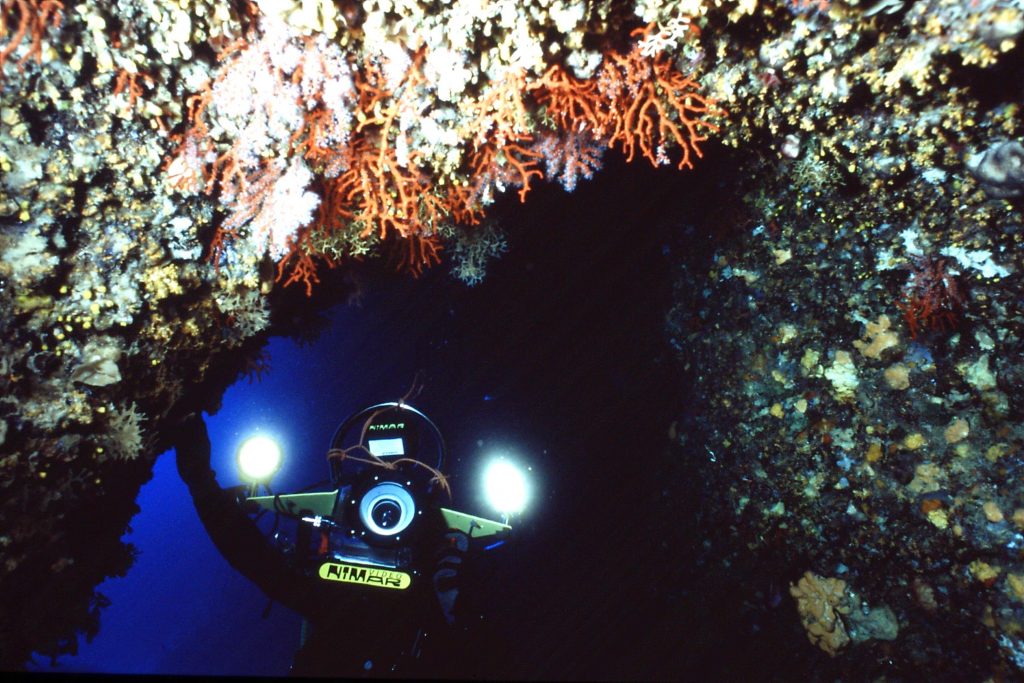
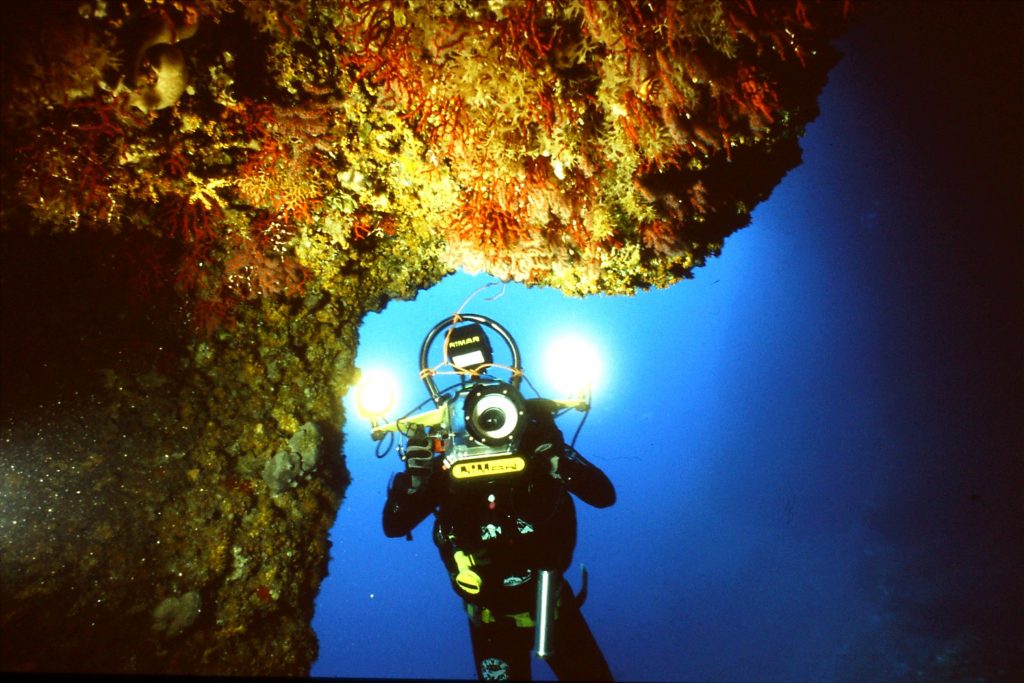
Floating in the depths of our sea, the little red tree-like structures have been sought out by fishermen since ancient times.
Why? Because not only was it a lucrative source of income for the city of Alghero, but also because the unexplored world has long been an irresistible temptation for man.
We know that since prehistoric and protohistoric times, coral has been fished and used for cultural purposes in the Near East and western Mediterranean, as evidenced by the Nuragic votive vessels (navicelle votive nuragiche), similar to those of other coral-fishing communities.
Coral fishing has adapted over the centuries, and now greater attention is paid to the ecosystem and the marine world in general.
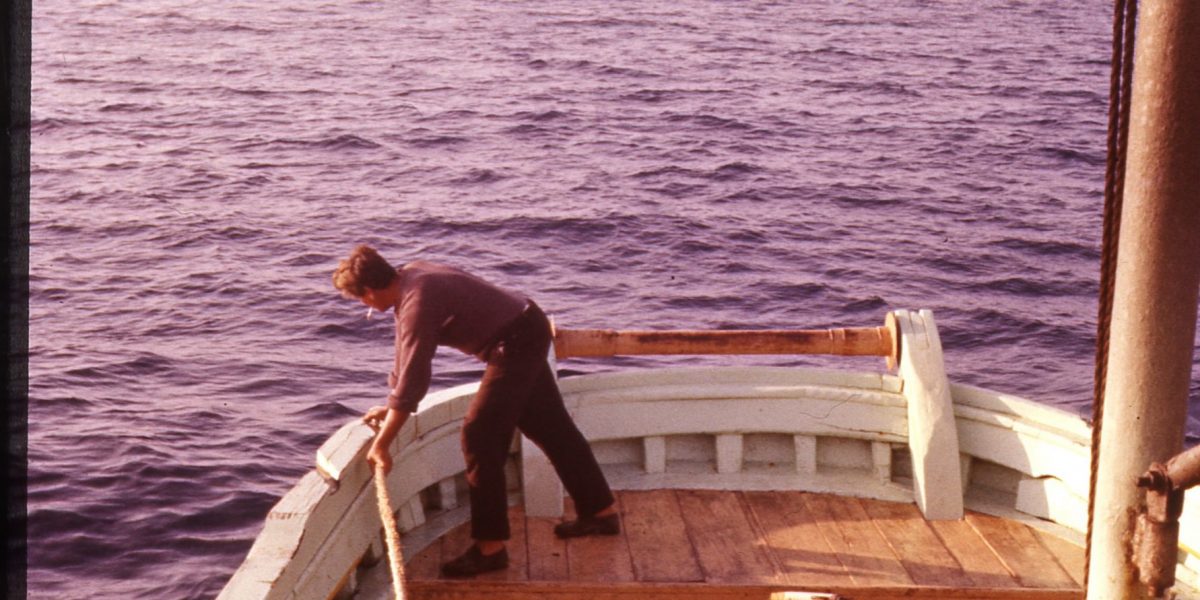
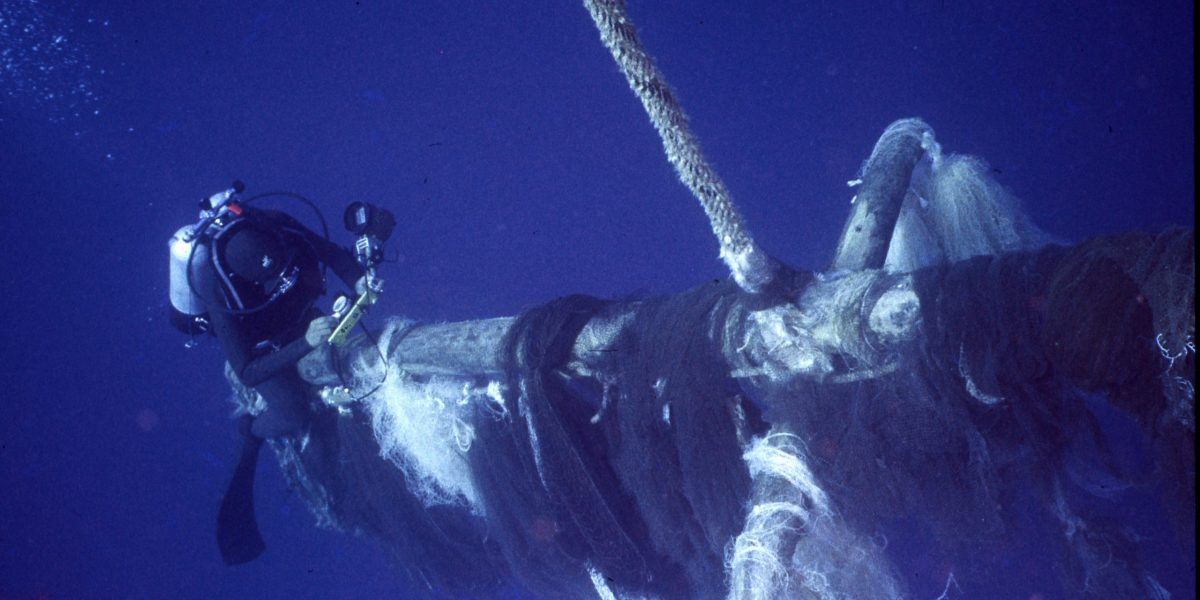
The first documented and documentable tool is the St Andrew's Cross, pulled by small sailing boats. Made up of two cross-shaped wooden planks, it was weighted down with stones at the ends of which nets were hung. With the advent of motor boats and the increase in fishing depth, the St Andrew's Cross proved ineffective and was perfected and replaced by the Ingegno with its iron axes.
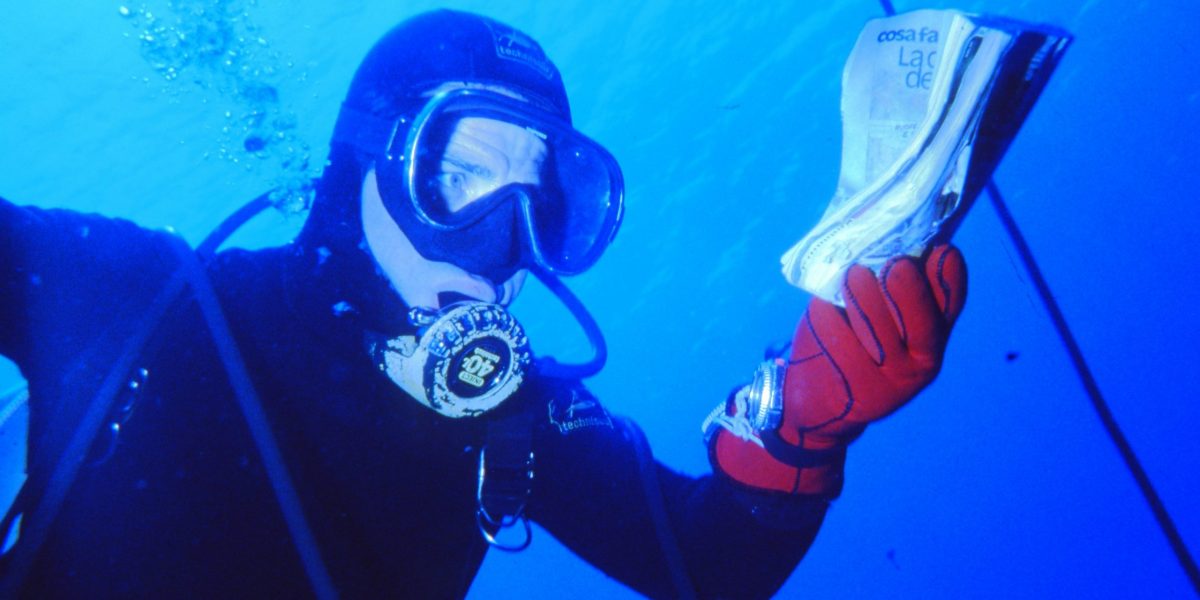
Both of these gears involve trawling, where the coral is 'grabbed' and brought on board. The seabed is plowed indiscriminately, affecting and destroying the ecosystem. For this reason, fishing must now be carried out exclusively with the use of ice axes by fishermen equipped with individual underwater breathing apparatus.